2026
AI-IoT-Robotics Integration: Survey of Frameworks, Emerging Trends, and the Path Toward Connected Robotics
Ranulfo Bezerra, Satoshi Tadokoro, Kazunori Ohno
IEEE Internet Things J.·Journal
Ranulfo Bezerra·Assistant Professor·Tohoku University
I study how robots, distributed sensors, and edge AI can build shared representations of the physical world, reason together, and coordinate action.
Toward Distributed Physical Intelligence.
Visit Yamazaki–Bezerra LaboratoryMy research within the Yamazaki–Bezerra Laboratory focuses on Connected Robotics, distributed Physical AI, shared world models, and reasoning across robots and sensing systems.
The problem
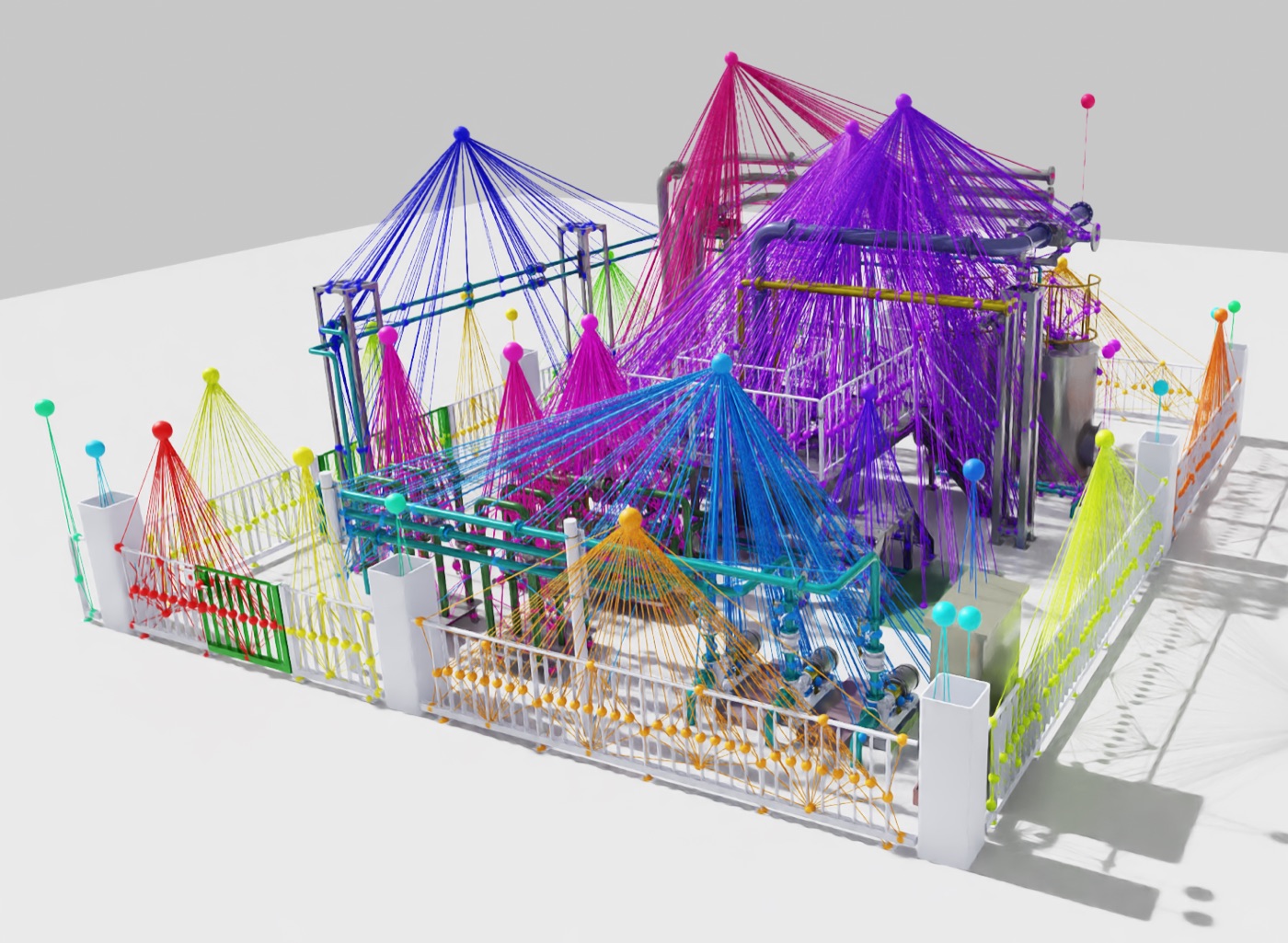
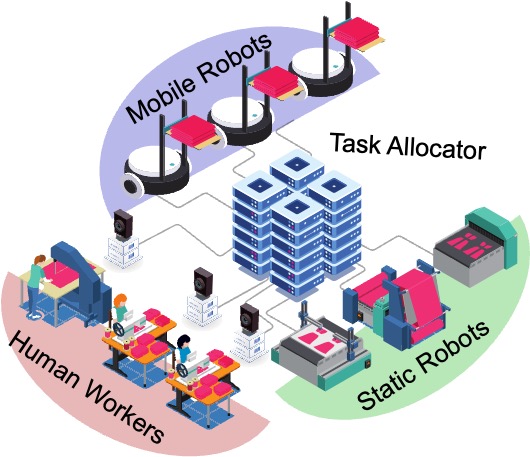
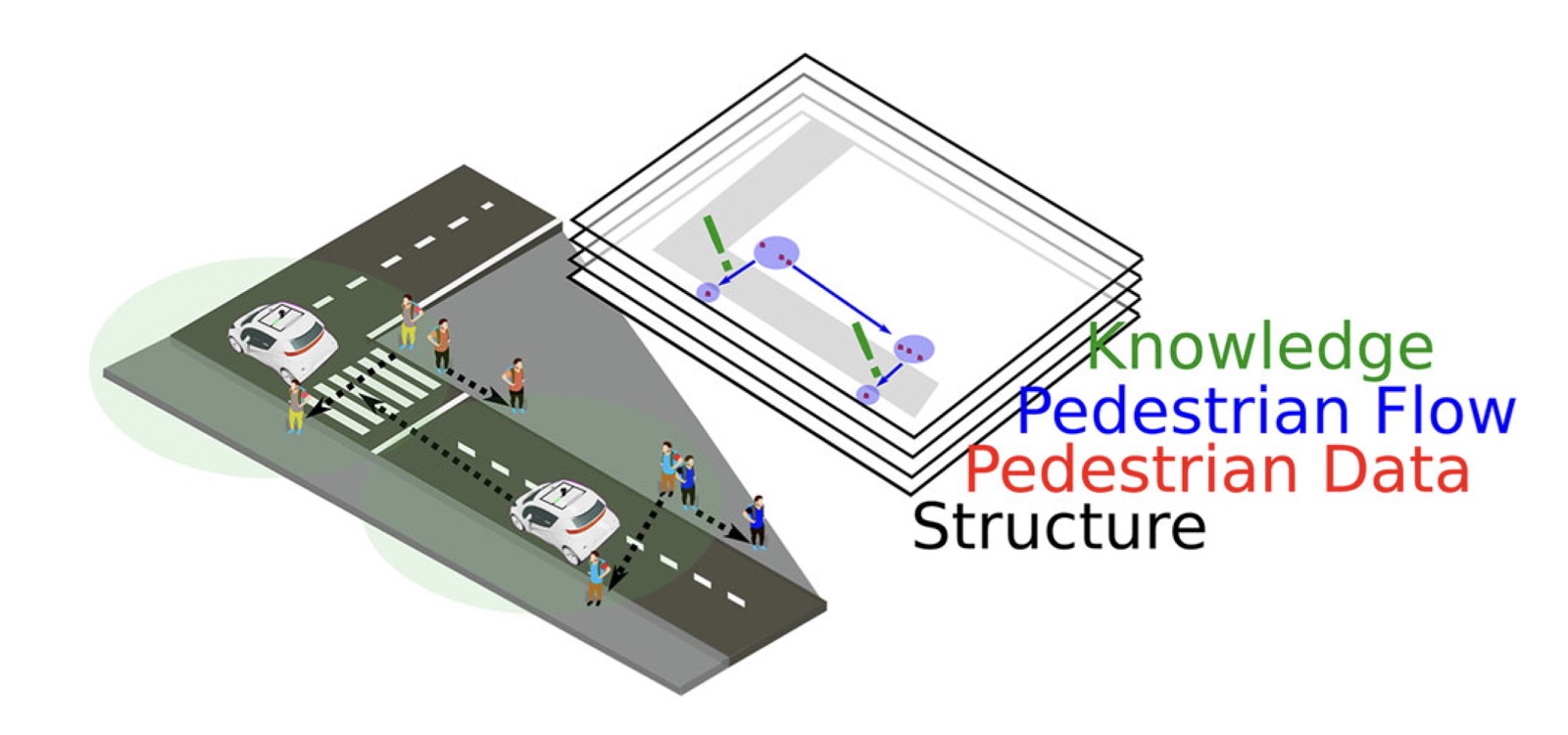
Robots, IoT sensors, and edge computers increasingly share data, but their reasoning remains fragmented: each device reaches its own conclusions from its own view of the world. My research investigates how connected physical agents can share evidence, maintain common world models, reason under uncertainty, and generate coordinated actions.
How can connected physical agents think together?
Explore the research01/Research architecture
No single agent sees enough. Observability is something a system arranges, not something a sensor has.
A shared representation is the substrate of collective thought — and it must carry uncertainty and provenance, not just geometry.
Connected reasoning is the open problem. Sharing data is solved; sharing conclusions is not.
A decision a team cannot explain is a decision a human cannot authorise.
Reasoning that cannot run on the robot is not reasoning the robot can use.
03/Selected publications
62 records·2015–2026
Connected Robotics
2026
Ranulfo Bezerra, Satoshi Tadokoro, Kazunori Ohno
IEEE Internet Things J.·Journal
Distributed Robot Intelligence
2023
Ranulfo Bezerra, Kazunori Ohno, Shotaro Kojima, Hanif A. Aryadi, Kenta Gunji, Masao Kuwahara, Yoshito Okada, Masashi Konyo, Satoshi Tadokoro
IEEE CASE 2023·Conference
2023
Hanif A. Aryadi, Ranulfo Bezerra, Kazunori Ohno, Kenta Gunji, Shotaro Kojima, Masao Kuwahara, Yoshito Okada, Masashi Konyo, Satoshi Tadokoro
IEEE CASE 2023·Conference
Semantic World Models
2025
Nathan Pascal Walus, Ranulfo Bezerra, Shotaro Kojima, Tsige Tadesse Alemayoh, Satoshi Tadokoro, Kazunori Ohno
IEEE SSRR 2025·Conference
2021
Ranulfo Bezerra, Kazunori Ohno, Thomas Westfechtel, Shotaro Kojima, Kento Yamada, Satoshi Tadokoro
J. Intell. Robot. Syst.·Journal
Robot-IoT & Distributed Sensing
2023
Rawin Assabumrungrat, Ranulfo Bezerra, Iuri Barros, Shotaro Kojima, Yoshito Okada, Masashi Konyo, Kazunori Ohno, Satoshi Tadokoro
IEEE SMC 2023·Conference
04/Research trajectory
How the direction developed. Each stage is backed by publications; earlier work is shown for what it was.
2015 — 2019
Semantic Mapping
Building representations of space from imperfect sensors.
2018 — 2021
Knowledge Acquisition
Extracting durable structure from sparse, incidental observation.
2021 — 2024
Multi-Robot Systems
Coordinating unlike agents toward a shared physical goal.
2023 —
Connected Robotics
Robots, IoT sensors, and edge AI as one reasoning system.
Ongoing
Distributed Physical Intelligence
Shared world models and collective reasoning as a scientific programme.
05/Research at Tohoku University
Yamazaki–Bezerra Laboratory
This research is conducted within the Yamazaki–Bezerra Laboratory (Tohoku Robotic Systems Laboratory) at Tohoku University, led by Prof. Kimitoshi Yamazaki, where complementary research spans robotic manipulation, mobile manipulation, household robotics, Connected Robotics, and Physical AI. Connected Robotics and Edge AI is one of the laboratory’s four research pillars, and the direction my own research develops. Part of the work is carried out with the Tough Cyberphysical AI Research Center.
Visit Laboratory Website06/Recent news
TCPAI research project awarded: Domain-Adaptive Semantic Evidence for Connected Robotics (2026–2027)
Elevated to IEEE Senior Member
KAKENHI Early-Career Scientists project awarded: Interpretable Reasoning Framework for IoT–Robot Collaboration using Semantic Graphs (2026–2028)